
Imagine the roar of the crowd fading to a dull hum as your vision tunnels. You’re trapped, the vise tightening around your neck, your opponent’s relentless grip stealing your breath. This is the chilling reality of being caught in a deep chokehold in the UFC. It’s a test of skill, will, and, most importantly, composure.
In the Octagon, chokes are not just a submission technique; they are a fight-ending threat lurking in every grapple. A successful choke can end a fight in seconds, underscoring why mastering submission defense is as vital as throwing a knockout punch. Yet, many fighters succumb not to the choke itself, but to the crippling wave of panic that washes over them. Panic is the true enemy. It clouds judgment, drains energy, and makes escape nearly impossible.
Having witnessed countless fighters crumble under pressure, it’s clear that understanding how to stay calm and collected while caught in a choke is paramount. This article discusses the importance of remaining calm under pressure and explore effective escape techniques. Learn de-escalation strategies to survive one of the most dangerous predicaments in mixed martial arts. Arm yourself with the knowledge to not only survive but thrive under pressure.
Understanding the Physiology of Chokes
Chokes are a fundamental aspect of grappling arts like Brazilian Jiu-Jitsu (BJJ) and mixed martial arts (UFC), but understanding the difference between blood and air chokes is crucial for safe and effective training. The former constricts blood flow, while the latter restricts breathing.
A blood choke targets the carotid arteries, which supply blood to the brain. When pressure is applied, blood flow is reduced, and the brain is deprived of oxygen. This can lead to unconsciousness in a matter of seconds, typically within 5-10 seconds. The feeling is often described as a fading of vision, lightheadedness, and a sense of impending blackout. It’s critical to tap out immediately when caught in a blood choke to avoid prolonged oxygen deprivation.
An air choke, on the other hand, obstructs the trachea, the airway that carries air to the lungs. This type of choke restricts breathing and causes a feeling of suffocation. Air chokes typically take longer to induce unconsciousness than blood chokes, usually around 30 seconds or more. The sensation is one of extreme difficulty breathing, panic, and a desperate need for air. While the timeframe is longer, it’s still essential to tap out promptly to prevent serious injury.
Responsible training involves recognizing the early warning signs of both types of chokes and tapping out before losing consciousness. Partners should communicate effectively and apply chokes with control and awareness. Avoid jerky or forceful movements, and always prioritize your training partner’s safety.
Dangers of Cranking Submissions
Crank submissions, such as neck cranks and spinal locks, pose a significant risk of spinal injury. These submissions apply pressure to the neck and spine, potentially causing damage to the vertebrae, ligaments, and nerves. Popular cranks include the can opener, twister and the necktie. It is crucial to tap out early when caught in a crank submission to avoid serious and potentially permanent injuries. Respect your training partners and prioritize safety over ego during training.
Recognizing the Setup: Identifying Choke Entries Early
In the high-stakes world of combat sports, recognizing the precursor to a submission hold can be the difference between victory and defeat. Fighters often telegraph their intentions, leaving subtle clues that a trained eye can decipher. The rear-naked choke, a staple in both BJJ and UFC, often begins with securing dominant back control. Watch for an opponent who is aggressively hunting for seatbelt grips or trying to flatten you out. The guillotine choke, a lightning-fast neck submission, typically arises from a front headlock position. Keep an eye on opponents who aggressively snap your head down or attempt to circle to your side. Triangle chokes usually originate from the guard or half-guard. Be wary of opponents who are constantly angling their hips, seeking to secure an arm across their body while trapping the head.
Understanding these telltale signs is paramount. These chokes may appears suddenly, but are slowly built over time. Being aware of the steps to do those chokes, may help you avoid it, or counter it. Not all fights are the same, so the setups may differentiate a little, but understanding where the submission come from may improve your awareness to not falling into it.
Common mistakes that lead to vulnerability
Many fighters fall into submission not because of the opponent’s skill, but their own mistakes. One pervasive error is neglecting proper posture in the guard, allowing the opponent to isolate an arm or neck for a triangle or guillotine. Another common blunder is over-committing to strikes from the front headlock position, leaving the neck exposed for a guillotine. When defending the back, fighters often focus solely on hand fighting, neglecting to address the opponent’s hip position, which is crucial for preventing the rear-naked choke. Failing to maintain a solid base when an opponent attains the back can also lead to off-balancing, making the choke easier to secure. These seemingly small errors can create fight-ending vulnerabilities.

The Psychology of Panic Under Pressure
Being choked in a high-stakes fight like UFC or during a BJJ match triggers a primal panic response. This is the infamous ‘fight or flight’ mechanism kicking in, flooding the body with adrenaline. The immediate effect is heightened senses and a surge of energy, preparing you to either confront the threat or escape from it. However, this surge comes at a cost.
When panic sets in, cognitive function takes a nosedive. The ability to think strategically and make rational decisions becomes severely impaired. This mental fog leads to poor choices, wasted energy, and ultimately, a higher likelihood of succumbing to the choke. Instead of methodically working an escape, fighters thrash wildly, burning precious oxygen and exacerbating the situation.
Cultivating mental toughness is crucial. Techniques from sports psychology, such as controlled breathing and visualization, can help manage anxiety and maintain composure. Some fighters have successfully navigated these crises by training themselves to stay calm, focus on technique, and patiently seek opportunities to escape, proving that conquering the mental game is just as important as physical prowess.
Defensive Techniques: Escaping Common UFC Chokes
Proper Technique and Timing Emphasis
In the heat of a UFC fight, when an opponent slaps on a tight submission, panic can be your worst enemy. Successfully escaping common chokes hinges not just on brute strength, but on employing good technique and proper timing. Poor decision-making, fueled by adrenaline, often leads to wasted energy and a compromised position, making the escape even more difficult. Every movement must be deliberate and calculated.
Relying solely on frantic movements is a recipe for disaster. A poorly executed escape not only fails to break the hold but also drains your stamina and potentially worsens your situation, allowing your opponent to tighten their grip or transition to an even more dangerous submission. The key is to remain composed, assess the situation, and execute precise movements, conserving energy while maximizing the effectiveness of your defense. Recognizing the subtle cues indicating the choke is not yet fully locked and acting preemptively can make a world of difference.
Understanding the mechanics of each choke and the vulnerabilities it presents is paramount. Instead of thrashing wildly, focus on disrupting your opponent’s leverage, creating space, and exploiting openings. Sometimes, a small adjustment in posture, a strategic grip, or a well-timed shift in weight can be enough to break the choke or create an opportunity to counter. Remember, a calm mind and technically sound movements are far more effective weapons than panicked reactions.
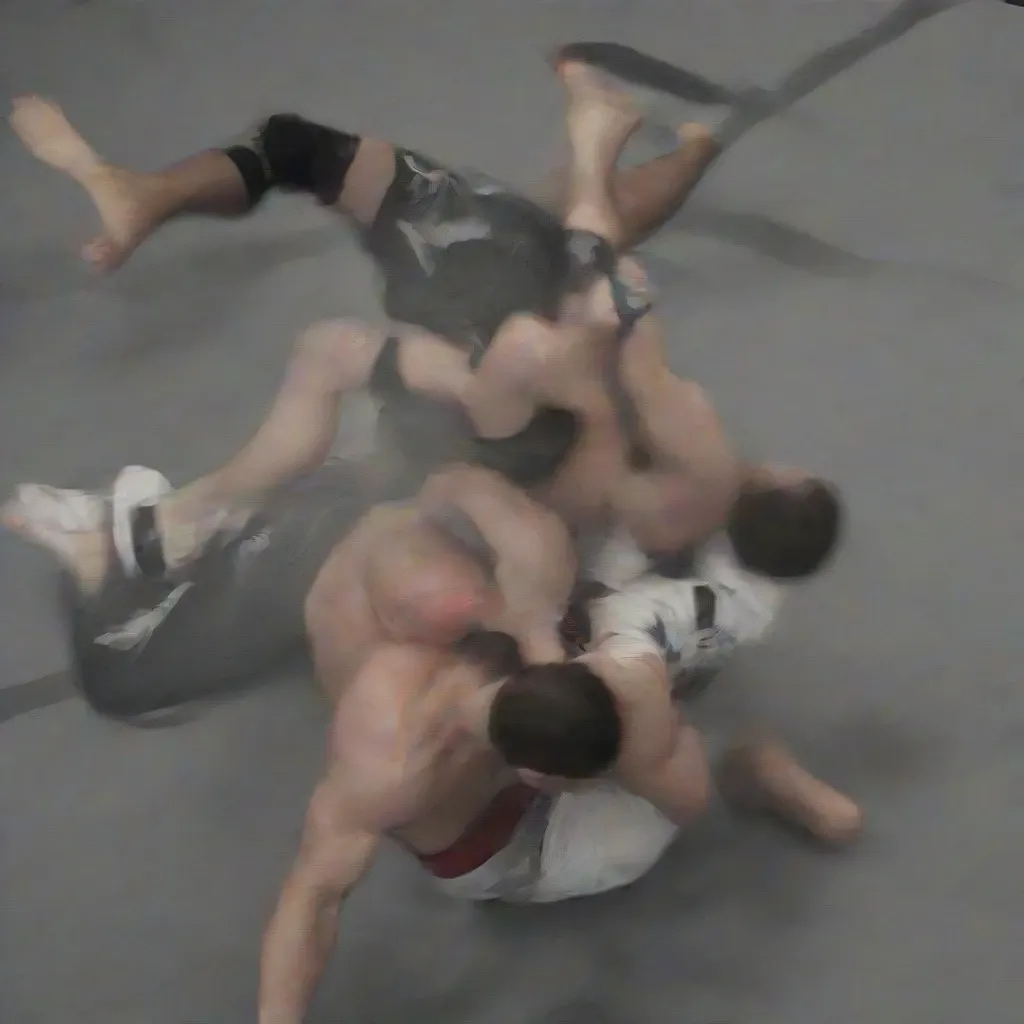
Drilling and Pressure Testing: Building Muscle Memory
In the high-stakes world of combat sports like UFC and BJJ, mastering choke escapes isn’t just about knowing the techniques; it’s about executing them flawlessly under immense pressure. The key to this lies in consistent drilling, a principle that forges the crucial link between knowledge and instinctive action – muscle memory.
Drilling involves repetitive practice of specific techniques until they become second nature. This process builds neural pathways in the brain, allowing you to react quickly and efficiently without conscious thought. Think of it as programming your body to respond correctly even when your mind is overwhelmed by stress and fatigue.
But drilling alone isn’t enough. To truly prepare for the chaos of a real fight, you need to pressure test your techniques. This means simulating the conditions of a live match, with a resisting opponent and the added element of time pressure. For choke escapes, this could involve starting in a compromised position and having to defend against a fully committed submission attempt. The goal is to bridge the gap between the controlled environment of drilling and the unpredictable reality of competition.
To enhance your training, incorporate resistance. Start slow, focusing on perfect technique, but gradually increase the intensity and resistance as your muscle memory develops. Introducing realistic scenarios helps sharpen your reflexes, and it forces you to adapt and problem-solve under stress, which ultimately translates to success when it truly matters.
Developing a “Choke-Proof” Mindset
In the heat of battle, physical prowess is only half the equation. Mental resilience, the ability to maintain composure and focus under immense pressure, is what separates champions from contenders. Developing a “choke-proof” mindset is not about eliminating fear, but about mastering your response to it.
One powerful tool is visualization. Regularly imagine yourself in challenging scenarios, visualizing your successful responses. Picture yourself escaping a submission, executing a takedown, or landing a fight-winning strike. This mental rehearsal primes your mind and body for the actual experience.
Breathing techniques offer another immediate anchor when the pressure mounts. Controlled, deep breaths can calm the nervous system, slowing the heart rate and restoring clarity. Box breathing, inhaling for four seconds, holding for four, exhaling for four, and holding again for four, is a simple yet effective technique for regaining composure.
Positive self-talk is also crucial. Replace negative thoughts with affirmations. Instead of thinking, “I’m going to lose,” tell yourself, “I’m prepared, I’m strong, and I can do this.” The language you use shapes your reality.
Finally, embrace a growth mindset. Every loss, every mistake, is an opportunity to learn and improve. Don’t dwell on failures; analyze them, extract the lessons, and use them to fuel your future training. Mental resilience isn’t an innate quality; it’s a skill that can be cultivated through consistent effort and self-reflection.
Conclusion: Staying Safe and Continuing Your Learning
Mastering UFC chokes and submission defense is a continuous journey of learning and refinement. The ability to recognize threats, react decisively, and execute escape techniques can be life-saving, both in and out of the ring. Consistently drilling these methods with trusted training partners will build the muscle memory and mental fortitude needed to stay calm under pressure. Embrace the process of learning Brazilian Jiu-Jitsu, seek guidance from experienced coaches, and never underestimate the importance of safety. Now, share your choke stories and successful escape techniques!